

Consistency is not a byproduct of inspiration. It is the result of structure. Teams that rely solely on creative instinct produce sporadic output, uneven quality, and inconsistent messaging. In contrast, structured creativity enables sustainable content production without sacrificing originality.
Structure does not limit creativity. It protects it.
The Myth of Unstructured Creativity
The idea that creativity thrives in chaos is outdated.
Unstructured content creation often leads to:
- Irregular publishing schedules
- Repeated reinvention of ideas
- Inconsistent tone and quality
- Creative burnout
Without a framework, teams spend more time deciding how to create than actually creating.
Structure Creates Repeatable Quality
Consistent content requires repeatable processes.
Structured creativity provides:
- Defined content formats
- Clear editorial standards
- Predictable workflows
This ensures every piece meets a baseline of quality, regardless of who produces it.
Frameworks Free Creative Energy
Constraints reduce decision fatigue.
When creators work within clear guidelines:
- They focus on ideas instead of logistics
- They experiment more confidently
- They produce faster without rushing
Structure eliminates friction so creativity can be directed where it matters.
Consistency Strengthens Audience Trust
Audiences respond to reliability.
Consistent content:
- Builds familiarity
- Reinforces brand voice
- Sets clear expectations
Erratic output weakens authority. Structure creates credibility over time.
Structured Creativity Scales Better
What works once is not a strategy.
Scalable content requires:
- Documented processes
- Reusable formats
- Shared creative language
Without structure, growth increases chaos. With structure, growth increases impact.
Avoiding Formulaic Content
Structure does not mean repetition.
Effective systems allow:
- Variation within formats
- Flexibility within rules
- Evolution without instability
The goal is coherence, not sameness.
Examples of Creative Structure
High-performing content teams use:
- Content pillars
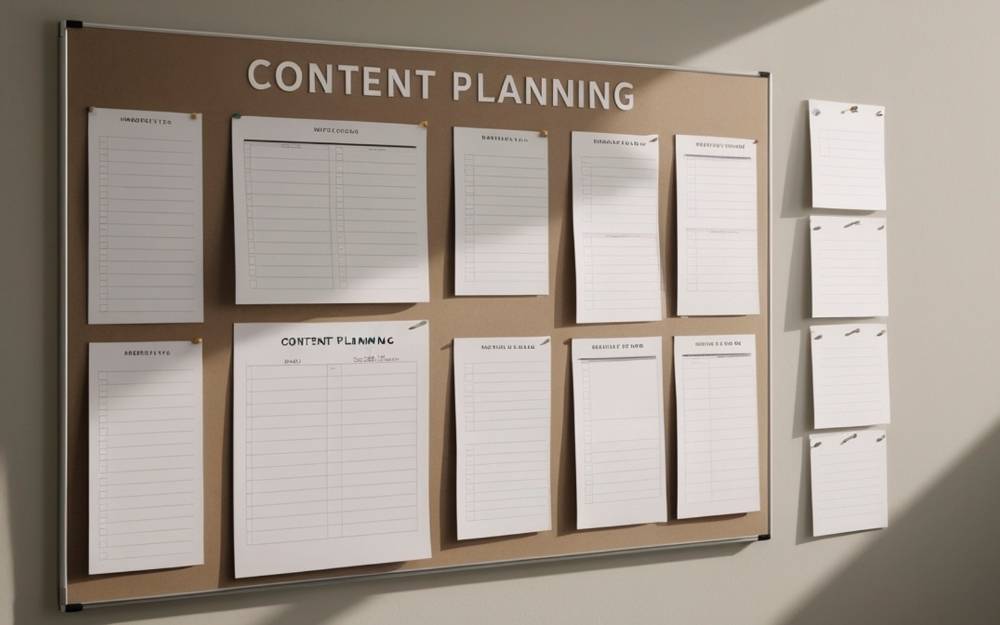
- Editorial calendars
- Modular storytelling frameworks
- Clear review and iteration cycles
These systems create momentum without micromanagement.
Why Structure Reduces Creative Burnout
Burnout is often caused by constant reinvention.
Structured creativity:
- Reduces pressure to be original every time
- Creates predictable rhythms
- Allows creativity to compound rather than reset
Sustainable creativity beats sporadic brilliance.
How to Implement Structured Creativity
Start with clarity.
Key steps:
- Define content goals
- Establish core themes
- Create flexible templates
- Set consistent publishing rhythms
Refine through iteration, not overhaul.
Final Thought
Consistency is not achieved by trying harder—it’s achieved by working smarter. Structured creativity enables teams to produce high-quality content reliably, sustainably, and with confidence. When systems support creativity, originality becomes a habit, not a gamble.
Discipline is the foundation of creative consistency.